Cost of Office Pods in Australia
Pod pricing varies significantly based on size, acoustic rating, finishes, and whether the unit is designed for indoor or outdoor use. Understanding the office pod cost factors helps you budget appropriately and compare options fairly.
Indicative Price Ranges
As a general guide for the Australian market:
-
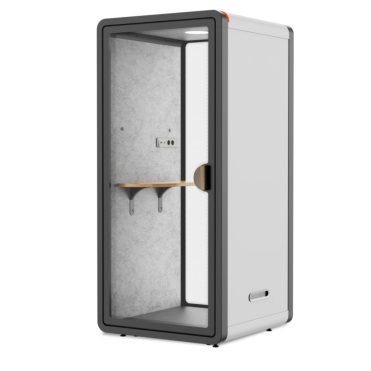
Single-person phone booths typically start from around $8,000 to $15,000 AUD for basic models, with premium options extending to $20,000+
-
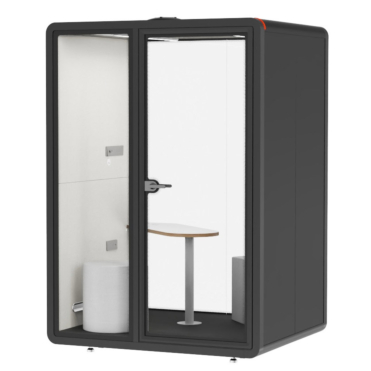
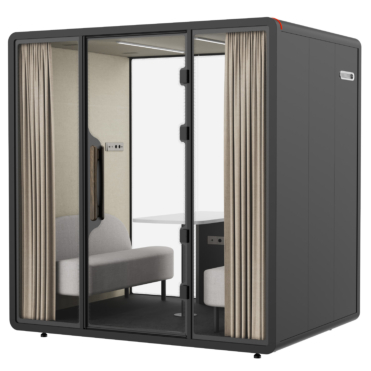
Two to four person meeting pods generally range from $12,000 to $25,000 AUD depending on size, finishes, and acoustic specifications
-
Outdoor and backyard pods command higher prices reflecting their structural and weatherproof requirements, typically starting from $35,000 and extending to $60,000+ for larger, fully-fitted studios.
These figures provide orientation rather than exact quotes. Actual pricing depends on specific configurations, current availability, and supplier relationships.
What Drives Cost Differences
Several factors influence where a particular pod sits within these ranges:
-
Glass area: Full-glass designs cost more than pods with partial glass or solid panels
-
Acoustic performance levels: Higher dB ratings require better materials and engineering
-
Integrated technology: Built-in screens, booking systems, and occupancy sensors add cost
-
Custom finishes or branding: Non-standard colours, logos, or materials increase pricing
-
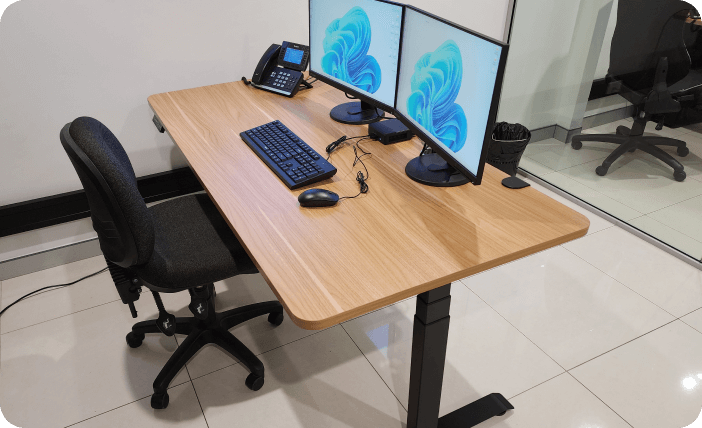
Quality of internal furniture: Premium ergonomic chairs and height-adjustable desks versus basic options
What’s Typically Included
Most pod prices include:
-
The complete pod shell with walls, ceiling, door, and flooring
-
Integrated power, lighting, and ventilation systems
-
Basic internal furniture appropriate to the pod type
-
Delivery and on-site installation within metropolitan areas
Regional deliveries often incur additional transport fees. Check whether assembly, electrical connection, and site preparation are included or quoted separately.
Long-Term Value Considerations
When evaluating cost effectiveness, factor in what pods help you avoid:
-
Major renovations requiring construction, council approvals, and weeks of disruption
-
Reduced need for larger leased office space when pods allow more efficient use of existing square metres
-
Productivity gains from reduced distractions and better acoustic environments
-
Staff satisfaction improvements that affect retention and recruitment costs
Many pods also retain value well and can be relocated to new premises or sold second-hand if circumstances change. This flexibility makes them a cost effective solution compared to fixed construction that becomes worthless when you move offices.
Installation, Portability and Compliance
Most indoor office pods arrive either flat-packed for on-site assembly or fully assembled ready for immediate use. A standard single-person pod can typically be installed within a few hours, while larger meeting pods might take a day.
Typical Installation Steps
The installation process for a standard office pod follows a predictable sequence:
-
Site inspection and measurement to confirm the pod fits and access routes are clear
-
Delivery via lift or stairs where possible, noting that doorway and corridor widths must accommodate panels or assembled sections
-
Assembly of wall panels, ceiling, door, and flooring according to manufacturer specifications
-
Connection to a standard 10A power outlet by a licensed electrician where required
-
Final acoustic, ventilation, and lighting checks before handover
For office towers, coordinate with building management regarding delivery times, lift bookings, and any loading dock requirements.
Portability and Relocation
One significant advantage of pods over traditional construction is their ability to move:
-
Indoor pods can typically be dismantled and relocated within the same office or to new premises
-
Most manufacturers design pods specifically for disassembly and reassembly with minimal damage or wear
-
Larger outdoor pods may require a crane or tilt tray truck for relocation, particularly steel-framed backyard studios on concrete slabs
If your business might move offices within the pod’s lifespan, confirm relocation logistics with the supplier before purchase.
Compliance Considerations in Australia
While pods avoid much of the regulatory complexity of traditional construction, some compliance matters require attention:
-
Fire safety: Buildings with sprinkler systems may require consideration of how pods interact with coverage areas. Smoke detectors may need adjustment or addition depending on pod placement
-
Electrical work: Any hardwired connections must be completed by licensed electricians in accordance with Australian standards
-
Building management: Check with your landlord or building manager regarding weight limits, access routes, and any lease restrictions
-
Accessibility: Consider wheelchair access requirements for public-facing or employee-accessible pods
Compared to traditional construction, pods minimise disruption, dust, and noise, making them suitable for installation in tenanted office towers where construction works would be impractical.
Choosing the Right Office Pod for Your Space
Selecting the right office pod starts with understanding how your team actually works each week, not with browsing catalogues for attractive designs.
Key Assessment Questions
Before contacting suppliers, answer these questions about your workplace:
-
How many calls and video meetings happen per day across your team?
-
How often do confidential conversations occur that require privacy?
-
Are pods mainly needed for individuals or small groups?
-
Do you need indoor pods, outdoor solutions, or both?
-
What’s your current meeting room utilisation, and are rooms often booked but underused?
Sizing and Quantity Guidance
Getting the mix right matters more than having pods at all:
-
In call-heavy environments, consider roughly one phone booth per eight to twelve employees
-
Mix pod types rather than installing only one size—combine single-person booths with two to four person meeting pods
-
Don’t over-install large pods when most usage involves individuals or pairs
-
Consider booking patterns: if your three meeting pods are always full at 10am but empty by 2pm, that’s a scheduling problem rather than a quantity problem
Location and Flow
Where you place pods affects how much they get used:
-
Position phone booths near open-plan zones where call needs arise spontaneously, but away from very noisy break areas
-
Locate meeting pods close to collaboration hubs and project teams who use them most
-
Ensure pods don’t create awkward traffic flows or block sight lines
-
For backyard pods, consider sun path throughout the day, privacy from neighbours, and cable runs for power and data connections
Testing Before Commitment
Where possible, validate assumptions before large purchases:
-
Use pilot pods or short-term rentals to test actual usage patterns
-
Gather staff feedback on acoustics, comfort, temperature, and booking patterns
-
Run a trial for several weeks before committing to a full rollout
-
Adjust pod types and quantities based on real data rather than assumptions
This approach prevents expensive mistakes and ensures pods actually solve the problems you identified.
Office Pods vs Traditional Meeting Rooms
When expanding workspace or reconfiguring an office layout, businesses often choose between installing pods and constructing traditional meeting rooms with drywall and permanent fixtures.
Advantages of Pods
Pods offer several practical benefits over built rooms:
-
No major building works or council approvals required in most cases
-
Faster deployment measured in days rather than weeks or months
-
Pods can relocate with your business if you change leases, protecting the investment
-
Modular scaling allows adding or removing pods as teams grow or shrink
-
Less disruption during installation, with no dust, noise, or trades blocking access
-
Often treated as furniture for depreciation purposes rather than leasehold improvements
For a business fitting out a 500 square metre floor in a CBD tower, pods can be operational within a week of delivery. Equivalent traditional construction might take two to three months including design, approval, and build phases.
When Traditional Rooms Make Sense
Fixed meeting rooms remain appropriate for certain requirements:
-
Very large boardrooms accommodating 10 or more people where pod sizes become impractical
-
Training spaces requiring moveable walls, complex AV setups, and room for reconfiguration
-
Highly specialised rooms with built-in ceiling services, specific ventilation requirements, or permanent fixtures
-
Situations where permanence signals investment and stability to clients or employees
The Practical Combination
Many modern workplaces use both approaches:
-
A few formal boardrooms for client presentations, board meetings, and large gatherings
-
Multiple pods for everyday calls, small team meetings, and individual focused work
-
Conference rooms for training and workshops requiring flexibility
This combination provides the impressive spaces needed for key occasions while delivering practical daily functionality through pods.
Maintenance, Durability and Sustainability
Quality office pods are engineered for daily, long-term use with minimal maintenance requirements. Unlike custom construction that ages unpredictably, well-made pods maintain their appearance and function with straightforward care.
Typical Materials
Understanding construction materials helps predict longevity:
-
Frames: Powder-coated steel or aluminium providing structural integrity and corrosion resistance
-
Internal panels: High-pressure laminate or veneer surfaces that resist wear and clean easily
-
Flooring: Hard-wearing commercial-grade carpet or vinyl rated for heavy foot traffic
-
Glass: Toughened safety glass for doors and windows meeting appropriate safety standards
-
Acoustic materials: Dense insulation panels and sound-absorbing fabrics designed for enclosed spaces
Simple Maintenance Routines
Keeping pods in good condition requires basic attention:
-
Wipe down interior surfaces weekly with appropriate cleaners for the materials
-
Replace ventilation filters on manufacturer-recommended schedules, typically every six to twelve months
-
Check door seals, hinges, and latches periodically for wear or adjustment needs
-
Clean glass surfaces regularly to maintain professional appearance
-
Inspect electrical connections and ventilation fans for any issues during routine cleaning
Most pods require no more maintenance than standard office furniture.
Sustainability Considerations
Environmental impact increasingly influences purchasing decisions:
-
Many manufacturers use FSC-certified timber, recycled fabrics, and low-VOC finishes
-
LED lighting and low-power ventilation fans minimise energy consumption
-
Pods designed for disassembly can be reconfigured or reused at new sites rather than demolished
-
Modular construction reduces waste compared to custom building works
-
Longer product lifespans reduce replacement cycles
Some manufacturers publish Environmental Product Declarations and offer take-back or refurbishment programs for older pods. If sustainability matters to your organisation, ask suppliers about their environmental credentials and end-of-life options.
Investing in durable, sustainable pods supports both employee wellbeing through better workspace and organisational environmental commitments through responsible purchasing.
Frequently Asked Questions About Office Pods
Are office pods really soundproof?
Quality office pods provide significant sound reduction, typically 25 to 35 dB, which is enough to prevent outside listeners from following conversations and to reduce background office noise to comfortable levels. However, “soundproof” doesn’t mean laboratory silence. You’ll still hear very loud external noises faintly, and extremely loud internal speech might be partially audible outside. Look for pods with published dB ratings rather than vague claims.
Do I need council approval for an indoor office pod?
In most Australian workplaces, indoor office pods are treated as furniture rather than construction and don’t require council approval. However, you should confirm with your building management regarding any strata or lease restrictions, fire safety considerations, and weight limitations. Outdoor backyard pods may have different requirements depending on your local council’s minor-works thresholds.
How long does installation take?
A single-person phone booth can typically be installed in two to four hours. A four-person meeting pod might take a full day. Delivery, access logistics, and electrical connection can extend timelines. Most suppliers provide installation timeframes as part of their quotation process. Complex installations in buildings with limited lift access may require additional planning.
Can an office pod be moved if we change offices?
Yes, most pods are designed for disassembly and relocation. Indoor pods can typically be dismantled by the installation team and reassembled at a new site. Some suppliers offer relocation services. Outdoor pods with concrete foundations require more complex relocation logistics. If you anticipate moving, confirm relocation procedures with your supplier before purchase.
Is an outdoor pod suitable for all Australian climates?
Quality outdoor pods designed for the Australian market include insulation, double glazing, and climate control options suitable for conditions from Brisbane’s humidity to Melbourne’s cold winters. Check specifications for insulation ratings, and consider adding reverse-cycle air conditioning for year-round comfort. In extremely hot climates or locations with direct afternoon sun, additional shading may improve comfort.
How do I book pods in a shared office environment?
Many pods integrate with workplace booking systems or include their own scheduling displays. Options range from simple “occupied/available” indicators to full room booking system integration with platforms like Microsoft 365 or Google Workspace. For offices without existing booking systems, some pods include standalone booking panels or can work with mobile app-based solutions.
What happens if the ventilation or lighting fails?
Quality pods use standard components that can be serviced or replaced. Ventilation fans, LED lights, and power connections are typically designed for easy access and replacement. Manufacturers and suppliers usually provide warranty coverage and ongoing support. Before purchasing, confirm warranty terms and availability of replacement parts in Australia.
If you’re considering pods for your workspace, the best approach is seeking tailored advice based on your specific floor plan, team size, workflow patterns, and acoustic challenges. Generic solutions rarely deliver optimal results, but a well-planned pod deployment can transform how your team works.



 Buy Now, Pay Later
 Verified Rating