








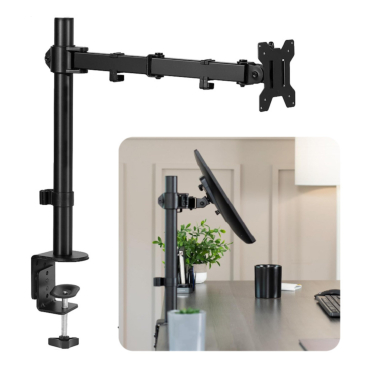
Fixed single monitor arm
For one screen in a relatively consistent position.
- Screen count
- One
- Listed screen range
- 13-32 inches
- Listed capacity
- 10kg
- VESA
- 75 x 75 or 100 x 100mm

 Buy Now, Pay Later
 Real Reviews

Position your screens and reclaim desk space with single, dual and triple monitor arms. Compare fixed and gas-assisted designs, then match the screen weight, VESA pattern and desk mounting space. Keeping the original screen base? A monitor riser is a different, simpler option.


“I’m beyond happy with this desk, the quality is brilliant and it was extremely simple to assemble.”
“We bought two desks from Deskup. They are perfect and exactly what we wanted. The quality is very good and heavy duty.”
“We bought two desks from Deskup. They are perfect and exactly what we wanted. The quality is very good and heavy duty.”
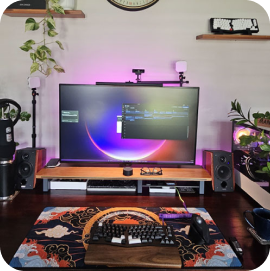

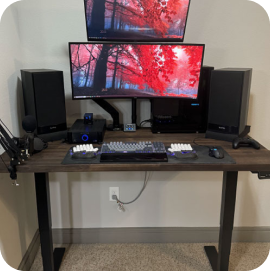
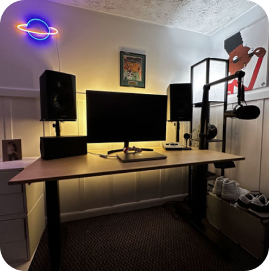
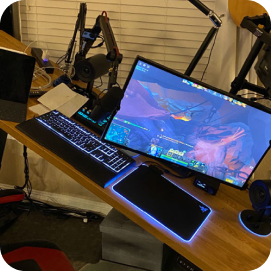
A monitor arm holds a compatible screen above the desktop and lets you set its position independently of the original base. Choose by the number of screens, the movement you need and the space available to mount the system. A stable, occasional-adjustment layout has different priorities from a shared desk that is repositioned throughout the day.
For one screen in a relatively consistent position.
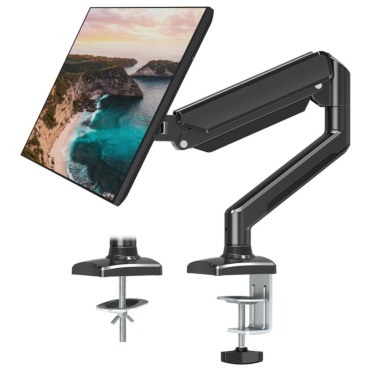
For one screen with gas-assisted positioning.
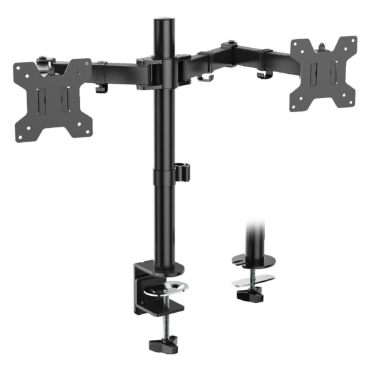
For two screens in a coordinated side-by-side arrangement.
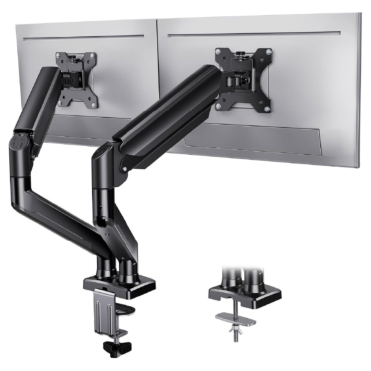
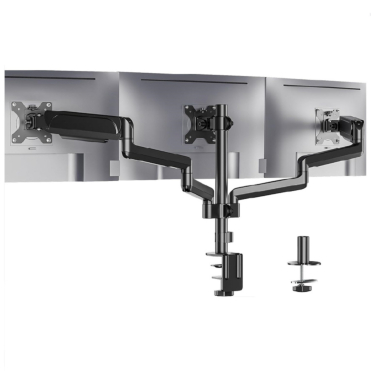
For three screens with gas-assisted adjustment.
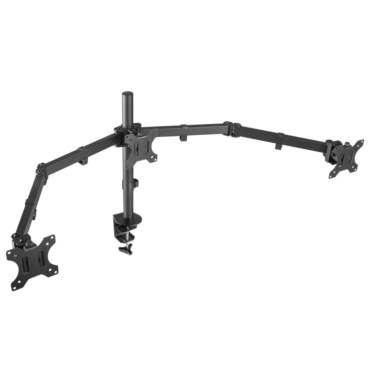
Also compare the articulating dual monitor arm and fixed triple monitor mount in the product range. Their limits are model-specific; do not carry a rating across from another arm.
Find each screen's weight without its original stand and compare it with the selected arm's permitted load. Screen size and weight are separate checks. Also confirm any minimum supported load for a gas-assisted mechanism. With multiple screens, assess each monitor individually and allow enough width for the intended arrangement.
Match the mounting-hole pattern on the back of the screen with the arm's VESA plate. Recessed mounting points, unusual housings and adapter requirements can affect the fit. An iMac, curved display or ultrawide screen is not automatically compatible because its diagonal measurement is within the stated limit.
Measure desktop thickness and the available edge, including any bevel, frame or apron underneath. A clamp needs a suitable surface and enough clearance to seat correctly. Through-desk mounting needs an appropriate hole and access beneath it. Check the desktop manufacturer's guidance before attaching a load-bearing mount to glass, hollow-core or other specialist surfaces.
A fixed-arm design can still provide adjustment points for height, tilt or spacing. It suits users who set a position and largely keep it. An articulating or gas-assisted design offers a different way to reposition the screen, useful where users or tasks change. Compare the actual reach and movements rather than assuming every articulating arm behaves the same way.
For a dual monitor stand, consider whether the screens need a consistent side-by-side line or more independent positioning. Vertical stacking is not an assumed feature. For three monitors, check total width, individual arm reach and the space behind the desk as carefully as the load limit.
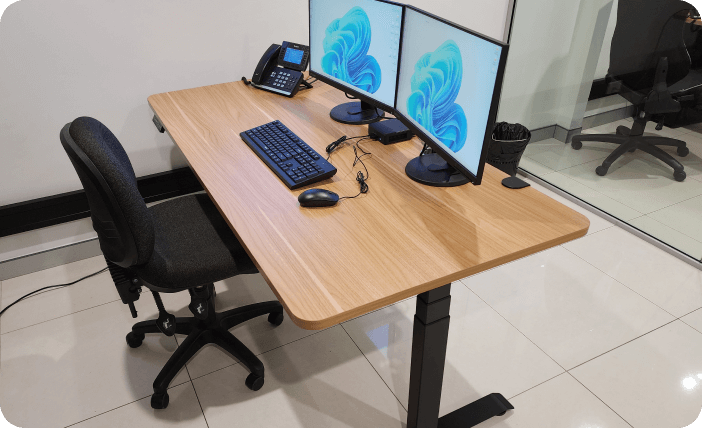
Lifting a screen from its original base can free space for a keyboard or paperwork. The mounting post and arms still need room, especially against a wall. Keep the clamp clear of drawers, shelves and cable trays, and check the complete arrangement with your chair in position.
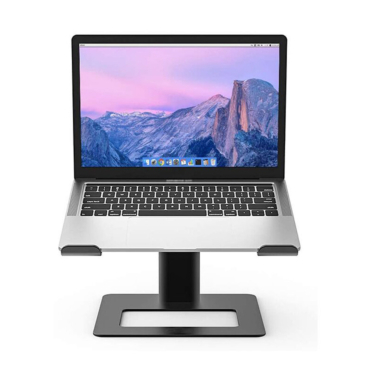
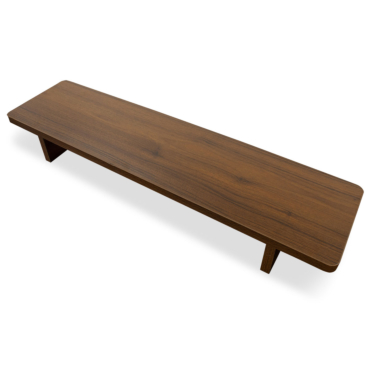
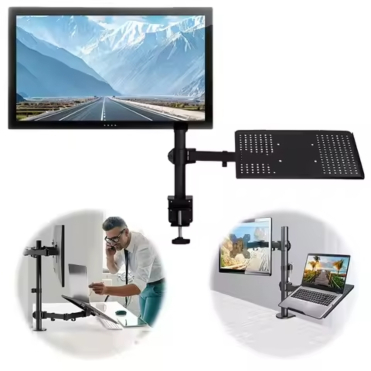
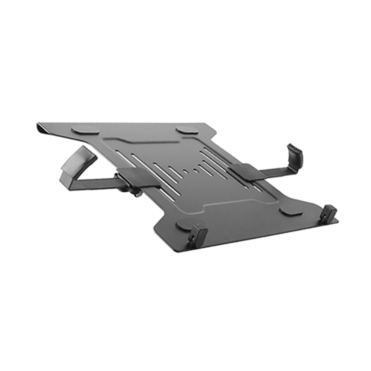
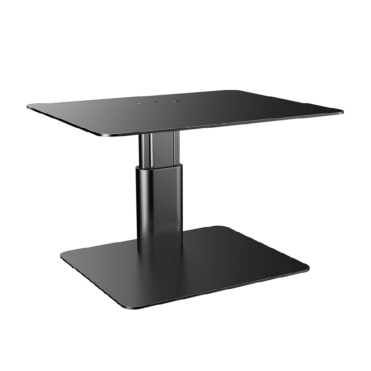
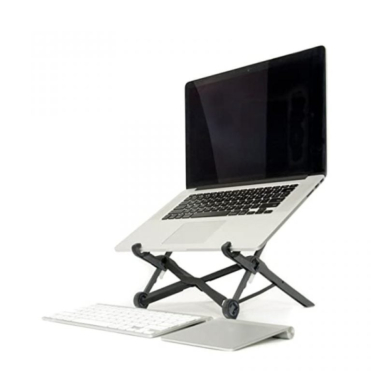
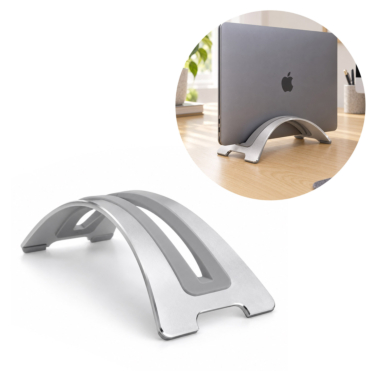
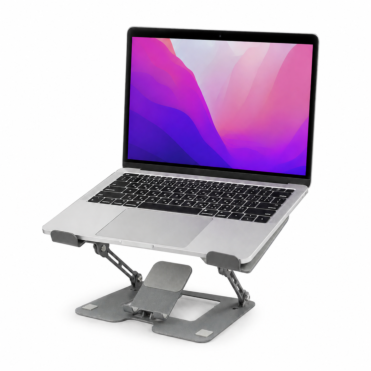
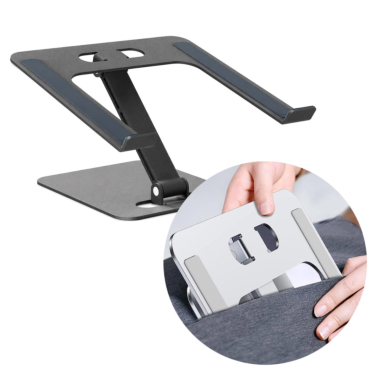
A desktop monitor stand or riser supports a screen on its own base instead of mounting it to an arm. It can suit a simpler setup where you do not need articulation. For a notebook, compare a laptop stand or a compatible monitor-and-laptop mount.
Use the arm's cable guides as instructed and leave enough slack for its full movement. On a standing desk, test the route at both seated and standing heights. Add suitable under-desk cable management for the remaining leads without pulling on connectors or pinching cables at joints.
Use the model's supplied instructions and specified fixings. Keep the screen supported during fitting and tension adjustment. If a screen drifts or sags, check the load and setup rather than overtightening the mechanism. Follow the manual for cleaning and maintenance; generic lubrication advice is not a substitute for the product instructions.
No. Match VESA pattern, screen size, weight and any adapter requirements. The desk must also suit the mounting system.
Potentially, provided each meets the mount's requirements and the arm arrangement can position them as intended. Send both monitor model numbers for help checking.
The comparison above covers desk-mounted products. Do not use desk-clamp hardware as a wall fitting.
Choose by screen count, compatible load, VESA fit, desk construction and the movement you need. A larger or more adjustable mount is useful only when those details match your setup.
Include monitor model numbers, weights without stands and a photo of the desk edge. That gives us a better basis for checking the fit.
Ask about monitor compatibility