
 Buy Now, Pay Later
 Verified Rating
Recognising Bad Posture Symptoms
Bad posture often goes unnoticed until its symptoms become severe, making it difficult to connect the discomfort to your sitting or standing habits. One of the most common indicators is back and neck pain. Poor posture places strain on the spine, leading to aches and stiffness, particularly in the lower back and shoulders. If you frequently slouch or hunch over, you might notice tension building in these areas after a few hours at your desk.
Another symptom is fatigue. When your body isn't aligned properly, it has to work harder to maintain balance, which can leave you feeling tired even after a relatively inactive day. This is often overlooked as a sign of bad posture because people attribute it to stress or lack of sleep.
Joint stiffness is also common in those who have poor posture. Whether it's in your knees, hips, or shoulders, poor alignment can lead to unnecessary strain on the joints, causing stiffness and discomfort. For example, leaning forward at your desk can place extra pressure on your neck and upper spine, eventually leading to tightness in these areas.
Key Signs of Poor Posture
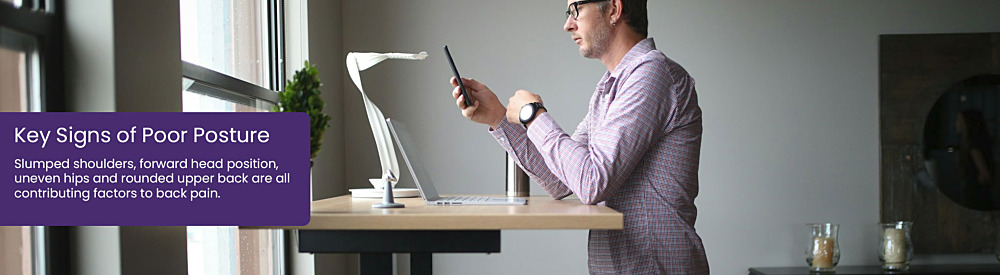
- Slumped Shoulders: This occurs when the muscles in the chest and shoulders tighten, pulling the shoulders forward. Over time, this slouching leads to upper back strain, shoulder discomfort, and even headaches.
- Forward Head Position: Often referred to as "text neck," this posture places extra strain on the neck muscles and is common in those frequently looking at phones or laptops.
- Uneven Hips: Caused by standing or sitting with more weight on one side, leading to discomfort and walking issues.
- Rounded Upper Back: Also known as thoracic kyphosis, this posture results from prolonged slouching.
Effects of Bad Sitting Posture
Prolonged sitting, especially with poor posture, can have a range of negative effects on the body. These include spinal misalignment, muscle strain, and tension headaches. Over time, poor posture can lead to chronic back pain, herniated discs, and even nerve compression.
Desk jobs, where workers sit for extended hours, exacerbate these effects. Sitting for long periods can weaken core muscles and contribute to further postural problems, making it even harder to maintain proper alignment over time.
What Does Good Posture Look Like?
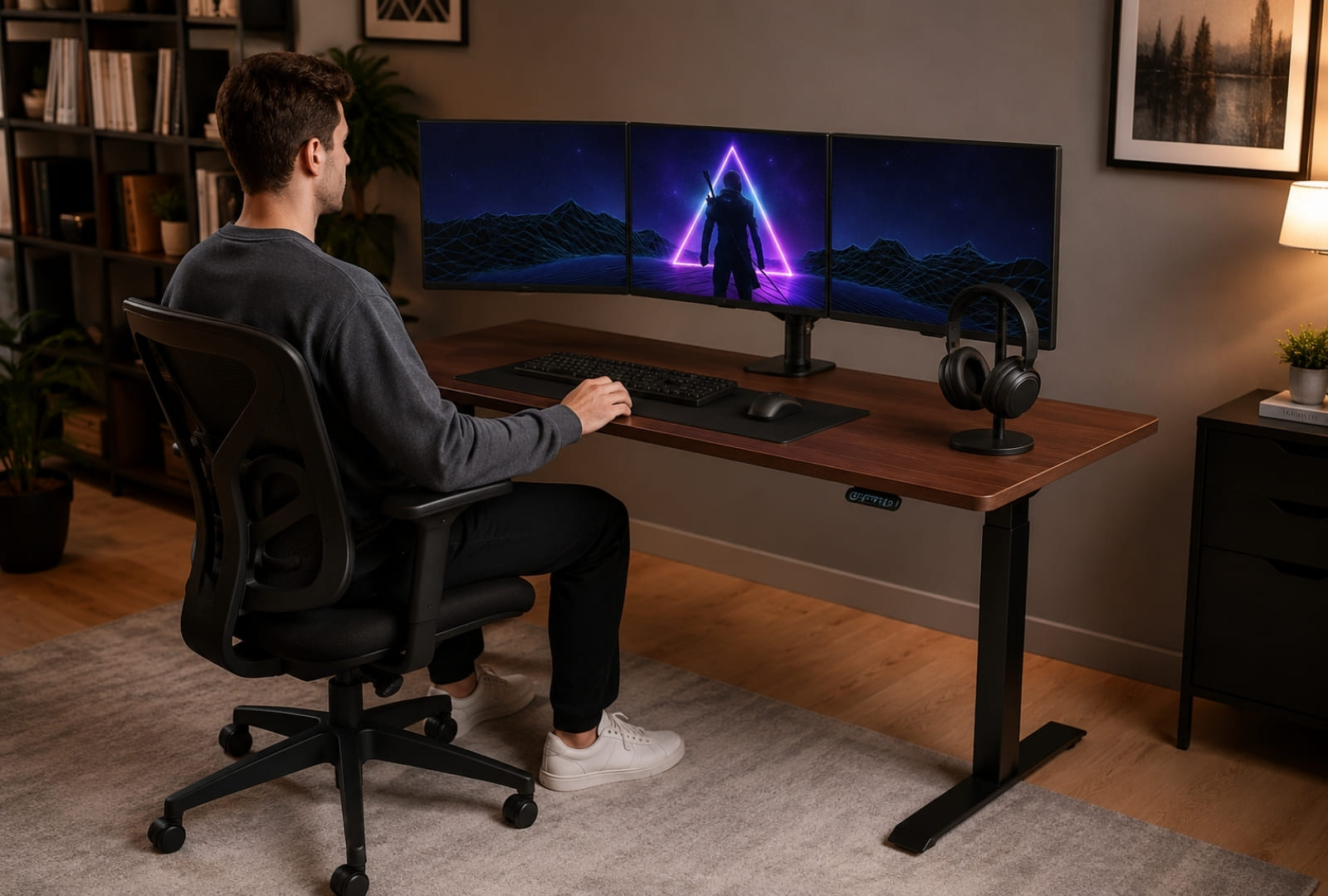
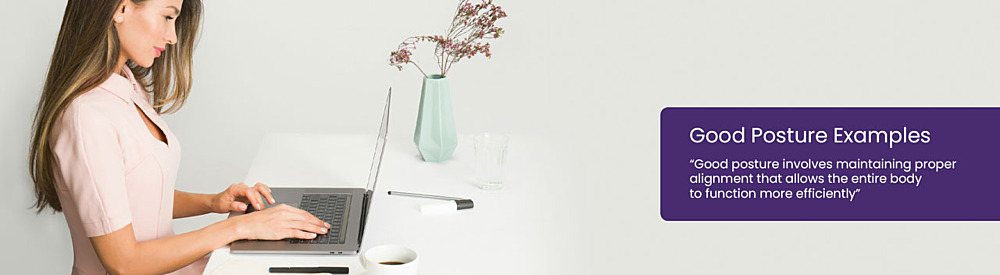
Good posture involves maintaining proper alignment that reduces strain on muscles and joints. When sitting, feet should be flat on the floor, knees at a 90-degree angle, and your back fully supported by the chair. Your shoulders should be relaxed but aligned with your ears, and your head should remain neutral, avoiding the tendency to lean forward. When standing, ensure your weight is evenly distributed between both feet, with your spine straight, shoulders level, and your head positioned so that your chin is parallel to the ground.
According to the Australian Journal of General Practice, maintaining the body’s natural curves is key to avoiding undue strain, particularly in the lower back and neck. Their guidelines recommend avoiding slouching, hunching, or rounding the shoulders, which can lead to muscular imbalances and long-term discomfort.
Studies show that proper posture not only prevents musculoskeletal disorders but also improves breathing and boosts energy levels by ensuring optimal function of the diaphragm.
Good posture reduces fatigue and enhances focus by supporting better oxygen intake and circulation, which are essential for concentration during prolonged periods of sitting or standing.
By maintaining proper alignment, you create a more comfortable and productive environment that benefits both your physical and mental well-being.
Common Symptoms of Bad Posture
- Muscle Tension and Headaches: Caused by overcompensating muscles, leading to stiffness and frequent tension headaches.
- Neck Pain and Joint Issues: Misalignment increases strain, causing uneven wear on joints and long-term problems.
- Long-Term Health Risks: Includes spinal misalignment, herniated discs, and degenerative conditions like arthritis.
Steps to Correct Poor Posture
- Ergonomic Adjustments: Optimise your workspace with ergonomic furniture and accessories.
- Standing Desks: Alternate between sitting and standing to reduce strain and improve circulation.
- Posture Correction Exercises: Incorporate stretches and core strengthening into your routine.
Tips for Maintaining Good Posture
- Take Regular Breaks: Stand and stretch every 30 minutes to relieve tension and improve circulation.
- Mind Your Position: Keep feet flat on the ground and devices at eye level to avoid slouching.
- Exercise and Strengthen Core Muscles: Engage in activities like yoga or pilates to build core strength.
Take Action: Improve Your Posture Today!
Improving your posture doesn’t require a complete lifestyle overhaul—start small by being more mindful of how you sit, stand, and move throughout the day. Simple adjustments, like taking regular breaks to stretch and using ergonomic furniture, can prevent long-term health issues. The earlier you take action, the more likely you’ll avoid problems like chronic back pain or neck strain.
DeskUp’s standing desks are an easy way to reduce the strain caused by sitting for long periods, helping you stay comfortable and maintain better posture throughout the day. Start today with small changes and experience the difference in how you feel!